
Search the research desk.
Type a market, company or commodity and jump straight into the K2 report that covers it.
K2 Capital is a Hong Kong-based investment firm and a trusted channel to East and Southeast Asian investments, delivering disciplined strategies and customized portfolio solutions.
Opportunity moves across borders. K2 Capital, a trusted channel into East and Southeast Asian investments.
K2 Capital Limited · Hong Kong, China
[ What we do ]
From equities and natural gas to venture capital and franchising, across Mainland China, Hong Kong and Southeast Asia.
Read the research[ Portfolio ]
Funds, ventures and an institute across asset management, artificial intelligence, F&B and education.
Equity, commodity and thematic research from the K2 research team, on markets across Asia and beyond. Selected reports are open to everyone; clients get full access to every report.
Type a market, company or commodity and jump straight into the K2 report that covers it.

Partnerships, advisors, funds and portfolio news from K2 Capital and its companies.
Clients & recognition

[ Portfolio ]
From franchise licensing and F&B ventures to fund raises and AI acquisitions. Hover a row for a preview, select it to read the release.
[ Global Research ]
by K2 Capital Management
Gateway to strategic investment insights across Asia and beyond. Become a client to gain full access to every report.

[ News & Insights ]
by K2 Capital Management
Stay up to date with our latest news and insights.

[ Aether portfolio ]
[ Accelerators, partners and competitions ]
Press releases featuring Oliver Tedja and the firms he co-founded.
K2 Capital is advised by leaders from listed companies in China and from global financial services.

[ Contact ]
K2 Capital Limited, Hong Kong. Tell us what you are working on and the right person will get back to you.
Commodities
Armenia’s six-month grain ban to non-EAEU states secures domestic supply, limits leakage to Georgia and Iran, and barely affects regional prices.
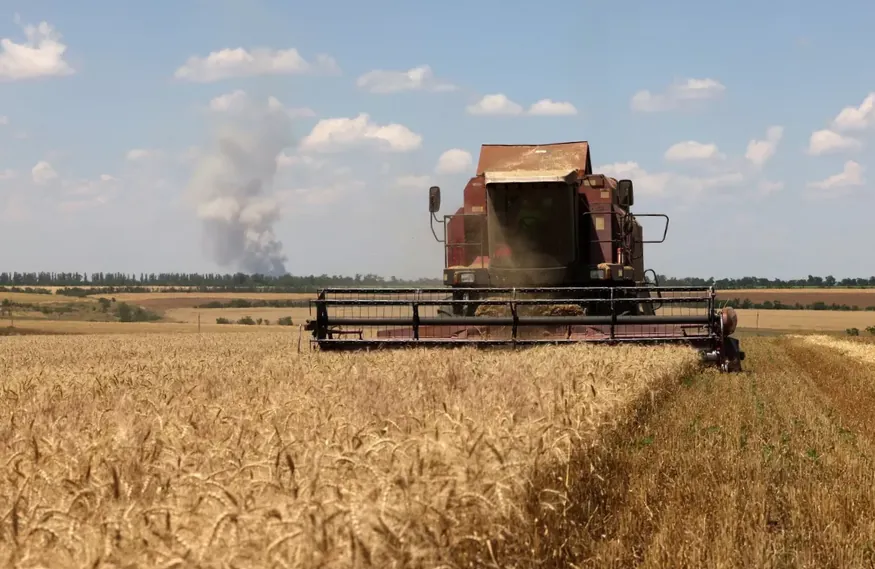
Armenia blocked exports of wheat, meslin, barley, maize, buckwheat, sunflower seeds, and sunflower oil to non-EAEU states for six months starting late June 2025. Trade inside the EAEU remained open. ( Food Security Portal )
Armenia is a net cereal importer. It buys most wheat from Russia. Formal cereal exports are small. The macro impact on Eurasia is limited. ( Trading Economics )
The ban mainly curbs leakage to neighbors outside the EAEU (notably Georgia and Iran) and supports Armenia’s food security amid high import needs. ( Food Security Portal )
The move temporarily offsets tariff gains from the new EAEU–Iran FTA for these items when shipped via Armenia. Russia and Kazakhstan can still supply Iran directly. ( dea.kg )
Cereal imports in 2025/26 forecast at ~500,000 tons; wheat imports ~400,000 tons. Over half of needs come from imports, mainly Russia. ( FAO UN )
Armenia’s wheat output is small (~170,000 tons in 2024/25–2025/26 per USDA IPAD). ( FAO UN )
Formal cereal exports are minor (~US$1.6m in 2024). ( Trading Economics )
Domestic angle – reduce re-exports and preserve stocks during a tight import year. The government framed it as a food security step. ( ukragroconsult.com )
Regional angle – channel grain to EAEU partners first; deter outflows to non-EAEU markets through Armenia. ( Food Security Portal )
Trade policy angle – the EAEU–Iran FTA took effect on May 15, 2025. Armenia’s ban limits immediate use of that route for the covered goods, but Russia/Kazakhstan can ship to Iran directly. ( dea.kg )
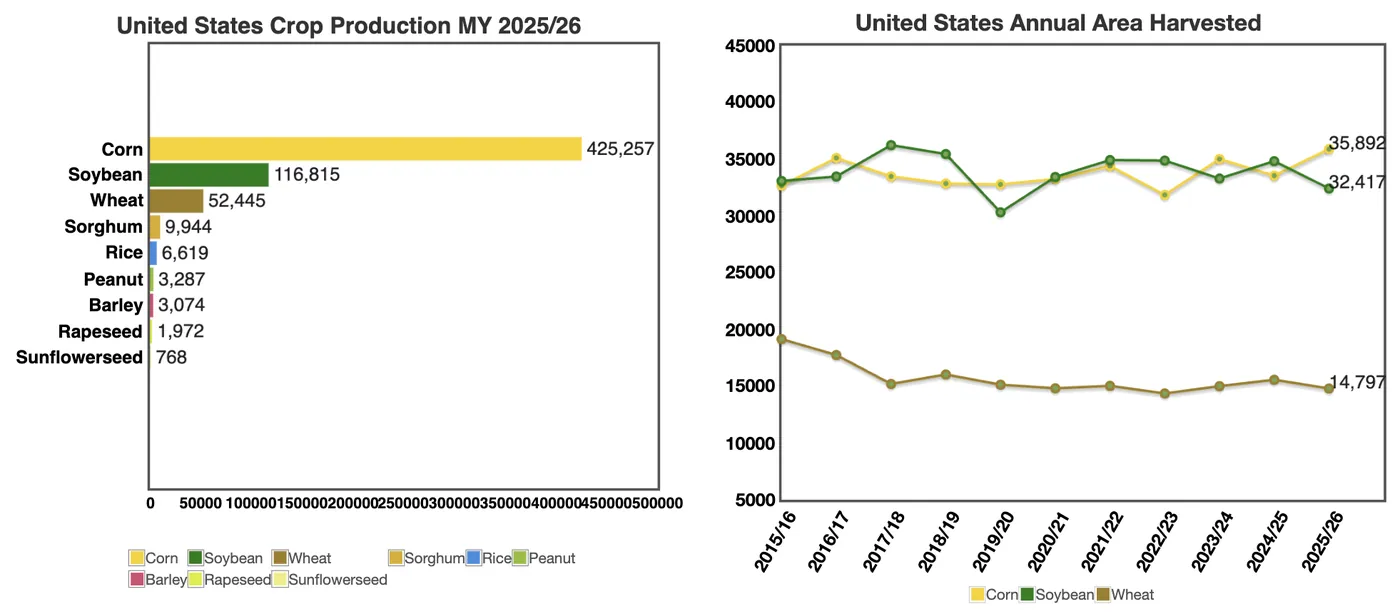
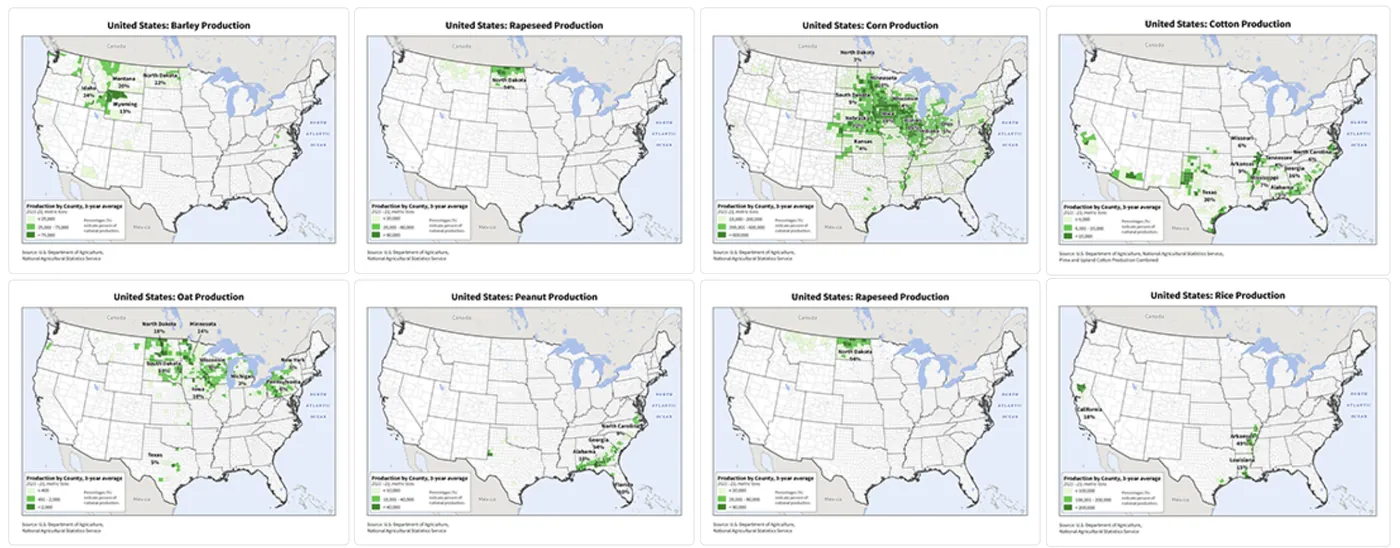
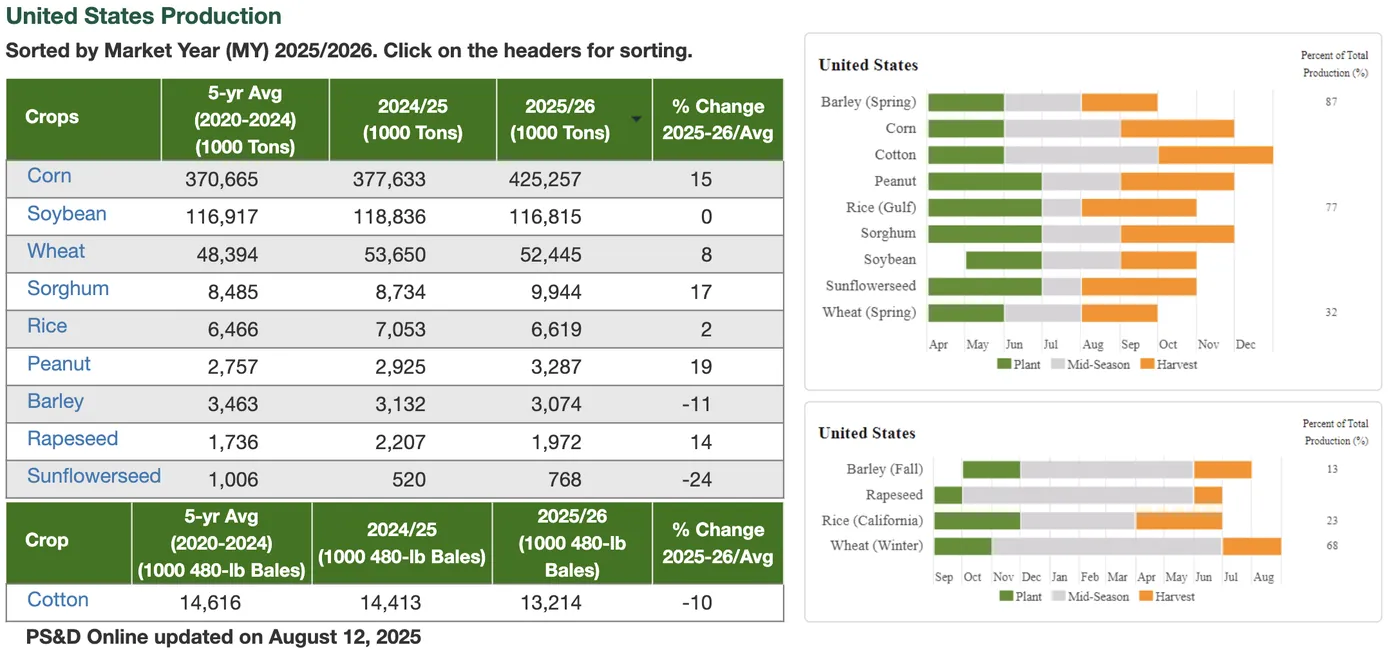
Ban runs its six-month course through late December 2025. Armenia secures imports from Russia; domestic prices stay contained. Limited regional price impact. ( FAO )
The government extends the measure into 2026 if import risks persist. Continued restraint on re-exports; negligible Eurasia-wide effect. ( Interfax )
Armenia replaces a blanket ban with licensing or quotas to fine-tune outflows while allowing selective non-EAEU sales. Watch cabinet communiqués for any shift. (finport.am )
Grain traders and mills – exposure in Armenia is small; keep positions neutral. Focus risk work on Russia/Kazakhstan harvest and policy moves.
Logistics in the South Caucasus – expect modestly lower outbound grain moves from Armenia to non-EAEU crossings during the window.
Iran buyers – prioritize direct EAEU sourcing channels rather than Armenian intermediaries while the ban stands.
Armenia wheat production ~170,000 tons in 2024/25–2025/26 (USDA IPAD). ( IPAD)
Cereal export value ~US$1.6m in 2024 (UN Comtrade via TradingEconomics). Trading Economics
Imports meet over half of cereal demand; Russia is the dominant supplier. FAOHome+1
Any cabinet move to extend the ban beyond December 2025. ( Interfax )
Russian export policy shifts that affect Armenia’s import costs. ( FAO )
Become a client to gain full access to every K2 report.
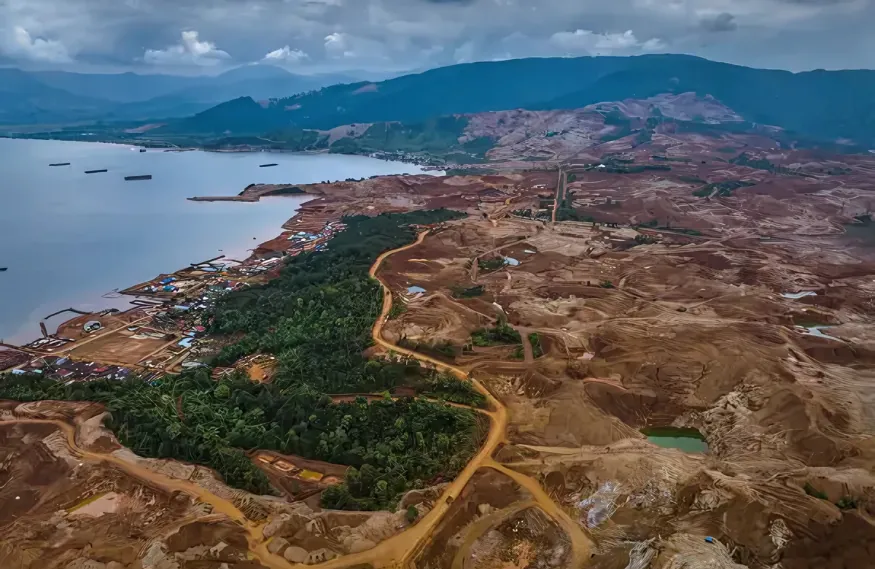
How Jakarta’s resource nationalism is reshaping EV supply chains, LME pricing and the geopolitics of critical minerals, and where capital should be positioned.
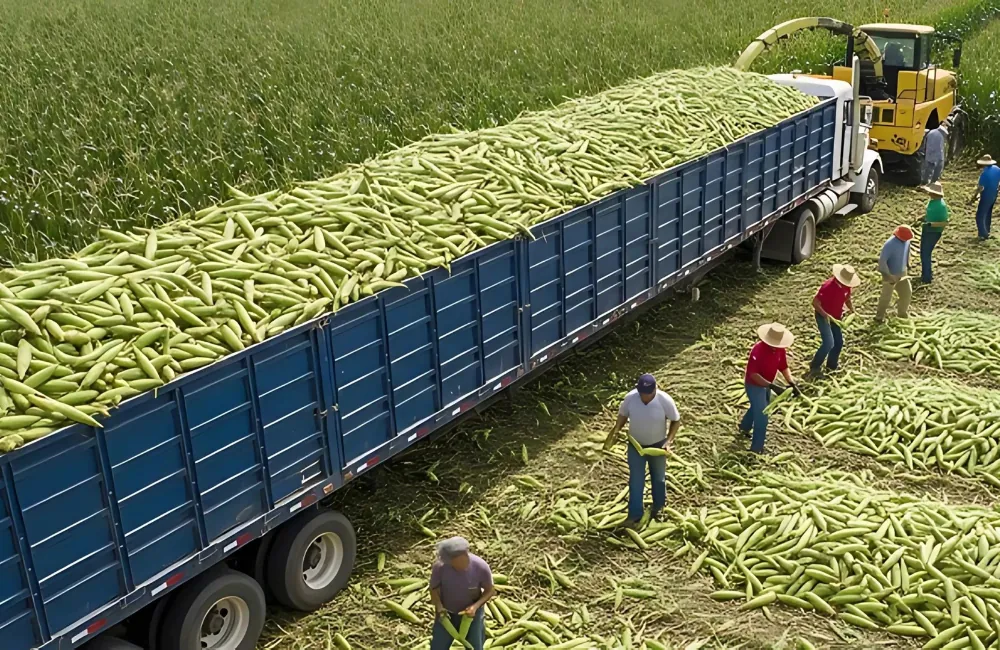
Brazil’s safrinha corn season, the second crop planted after soybeans are harvested, is the defining variable for global corn supply balances through the second half of 2026.
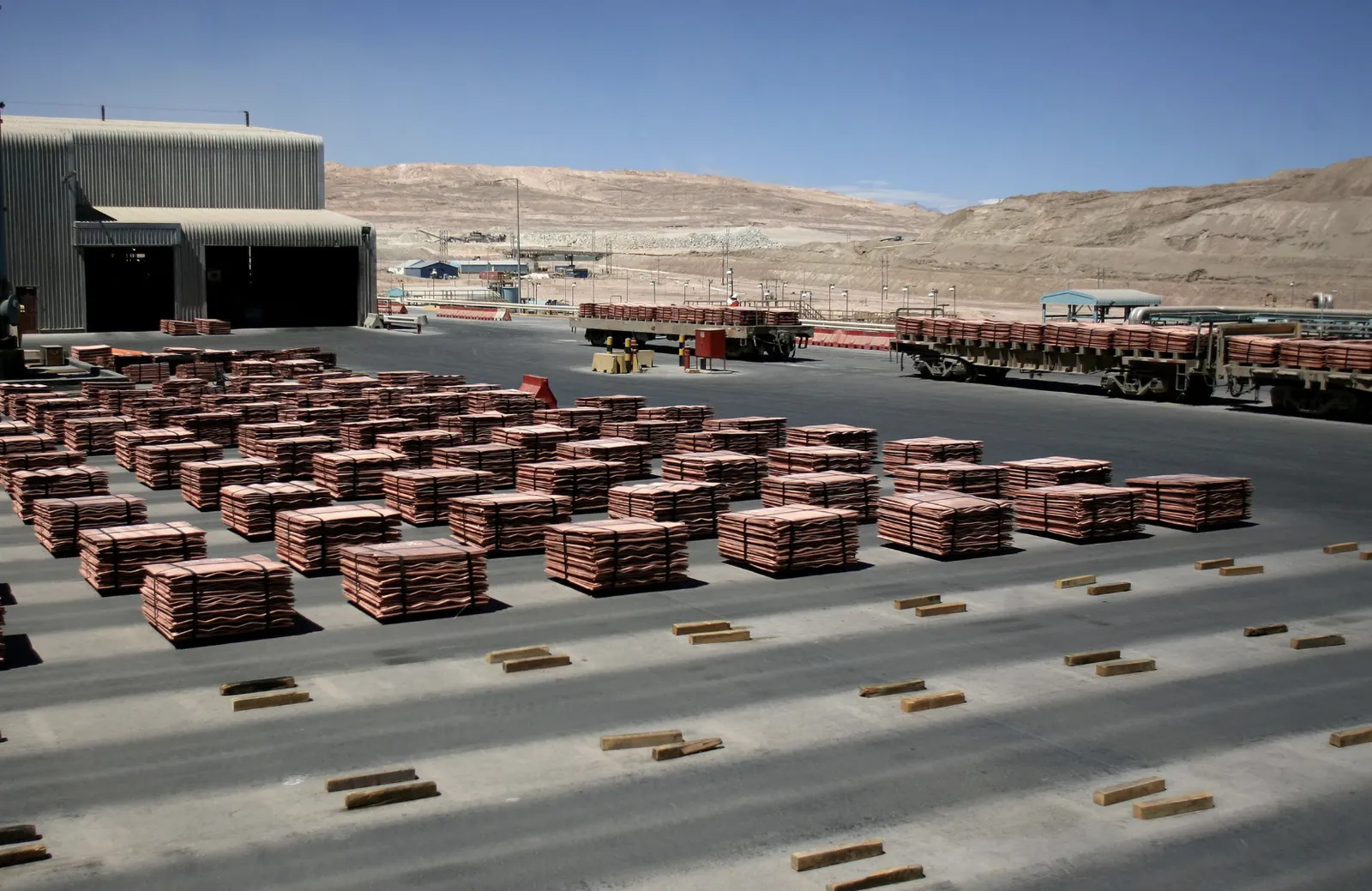
Peru and Chile, together responsible for about 40% of global mined copper output, saw a wave of production losses in 2025 that helped turn the 2026 outlook from surplus to deficit.