
Search the research desk.
Type a market, company or commodity and jump straight into the K2 report that covers it.
K2 Capital is a Hong Kong-based investment firm and a trusted channel to East and Southeast Asian investments, delivering disciplined strategies and customized portfolio solutions.
Opportunity moves across borders. K2 Capital, a trusted channel into East and Southeast Asian investments.
K2 Capital Limited · Hong Kong, China
[ What we do ]
From equities and natural gas to venture capital and franchising, across Mainland China, Hong Kong and Southeast Asia.
Read the research[ Portfolio ]
Funds, ventures and an institute across asset management, artificial intelligence, F&B and education.
Equity, commodity and thematic research from the K2 research team, on markets across Asia and beyond. Selected reports are open to everyone; clients get full access to every report.
Type a market, company or commodity and jump straight into the K2 report that covers it.

Partnerships, advisors, funds and portfolio news from K2 Capital and its companies.
Clients & recognition

[ Portfolio ]
From franchise licensing and F&B ventures to fund raises and AI acquisitions. Hover a row for a preview, select it to read the release.
[ Global Research ]
by K2 Capital Management
Gateway to strategic investment insights across Asia and beyond. Become a client to gain full access to every report.

[ News & Insights ]
by K2 Capital Management
Stay up to date with our latest news and insights.

[ Aether portfolio ]
[ Accelerators, partners and competitions ]
Press releases featuring Oliver Tedja and the firms he co-founded.
K2 Capital is advised by leaders from listed companies in China and from global financial services.

[ Contact ]
K2 Capital Limited, Hong Kong. Tell us what you are working on and the right person will get back to you.
Sports
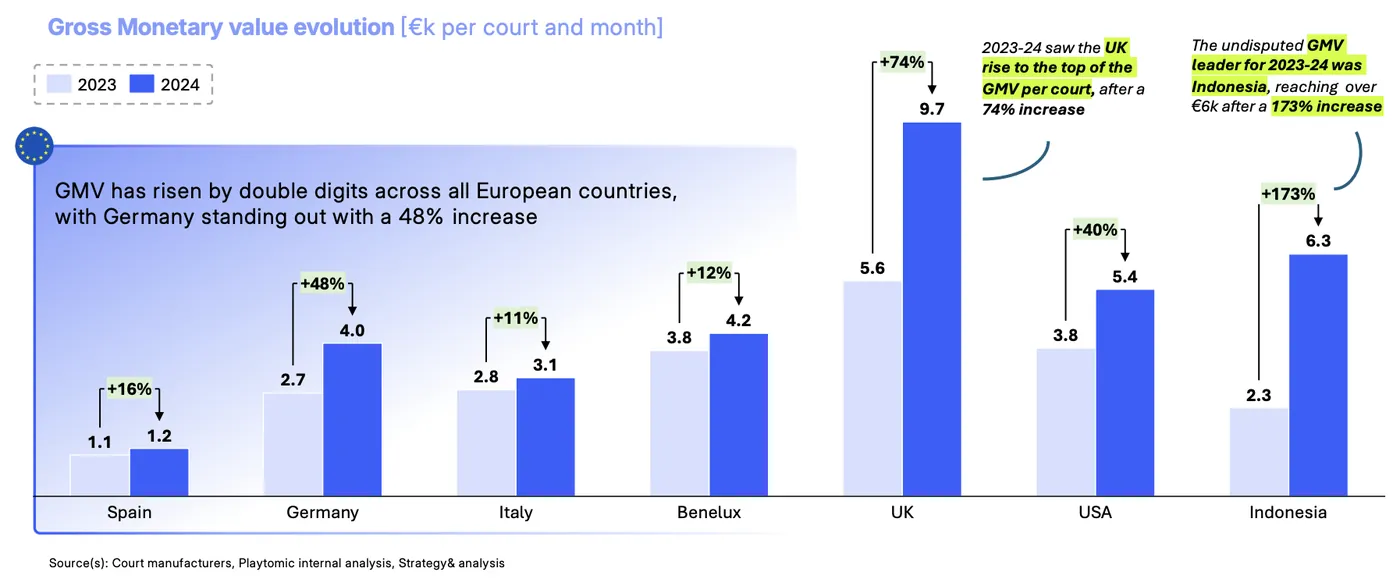
Padel is a rapidly growing sport becoming a global business through rising demand and court expansion.

Padel is a fast-growing racket sport that fuses the strategic elements of tennis with the dynamic rebound play of squash. Played on a court roughly one-third the size of a tennis court and enclosed by glass and metal mesh walls, padel offers a unique and social playing experience. Unlike tennis, the walls are part of the game, adding complexity and excitement to rallies.
It is typically played in doubles using solid, perforated rackets made of composite materials, and low-compression balls that are easier to control. The result is a sport that’s highly accessible, low-impact, and addictive, perfect for people of all ages and fitness levels. Padel’s low barrier to entry and social format have made it especially attractive to urban professionals, families, and young athletes alike.
Market Size (2024): USD 250.75 million
Projected Market Size (2033): USD 497.76 million
Players: 25+ million globally (up from ~10 million in 2017)
Courts: ~70,000 in over 150 countries
Major Leagues: World Padel Tour, Premier Padel
Padel’s global trajectory is remarkable. It took just over a decade to grow from a regional hobby into a globally recognized sport with serious economic potential. Large investments are being poured into court construction, pro leagues, influencer partnerships, and tech-integrated booking platforms. Global fitness trends, combined with urbanization and social media virality, are amplifying padel’s reach across continents.
Venture capital firms, celebrities, and sports companies are backing padel startups. From real estate developers integrating padel courts into new residential projects, to luxury hotels using padel to increase their appeal, the sport is becoming a lifestyle, and a lucrative one at that.
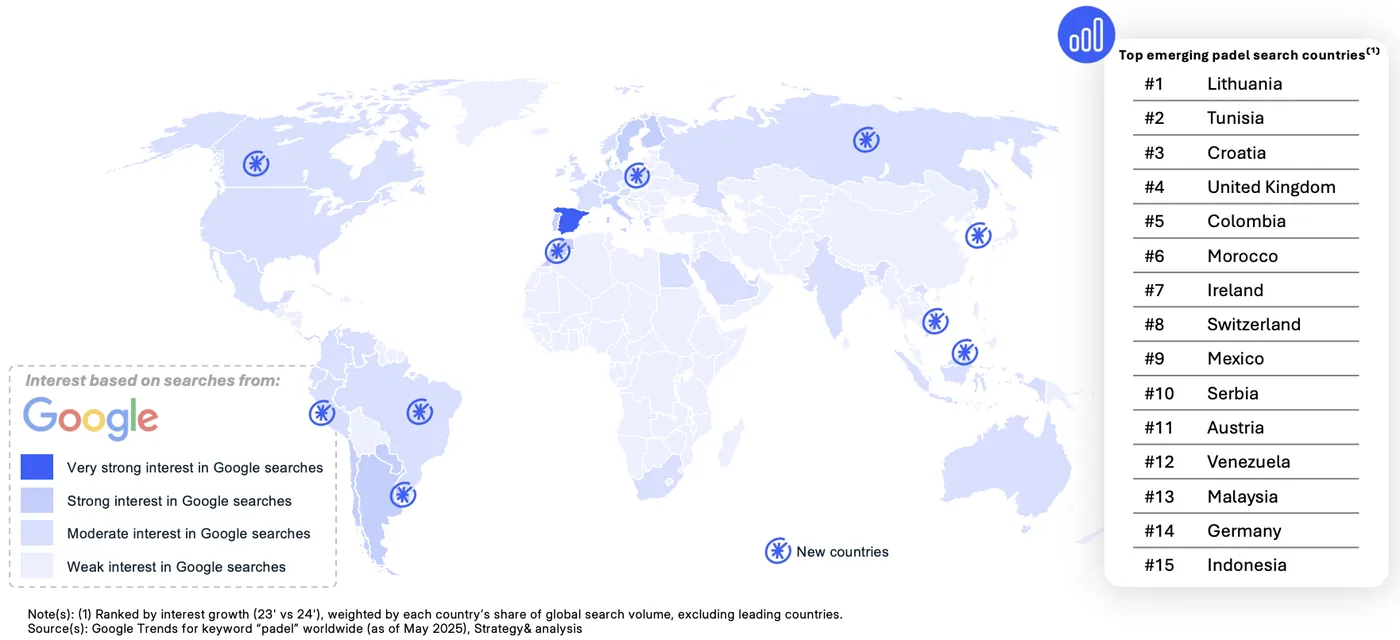
Spain leads the padel revolution. It is the only country where padel is the second most played sport after football. Tournaments like the World Padel Tour have turned professional players into influencers, and the sport has gained significant coverage on both national TV and digital platforms.
Italy and Sweden are examples of successful government and private sector collaboration in promoting padel. New facilities often receive municipal support and are paired with cafes, retail, and social events. The youth demographic is especially drawn to padel for its combination of fitness and fun, leading to a boom in youth academies and junior leagues.
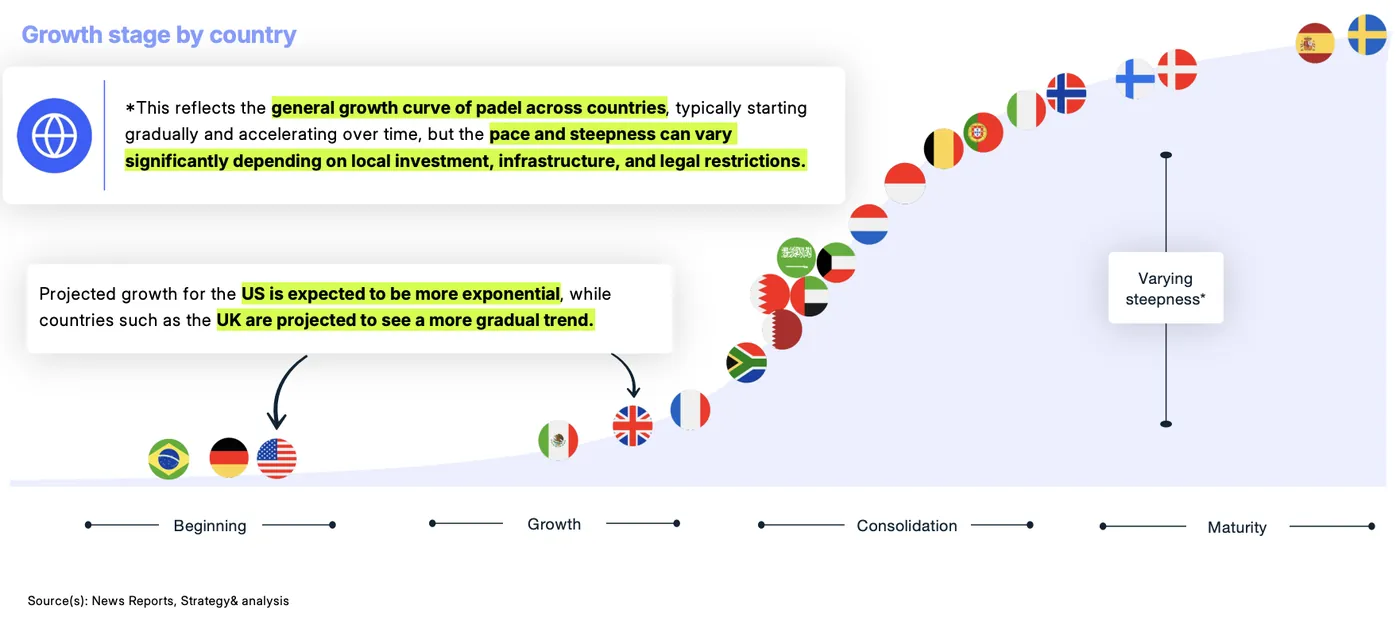
While still in its early stages in the US, padel is gaining strong momentum:
Traditionally overshadowed by pickleball in North America, padel is carving out its own identity. Its more athletic gameplay and stylish branding resonate with former tennis players, fitness influencers, and young professionals.
Cities like Los Angeles, New York, Austin, and Dallas are seeing rapid growth in padel clubs. Many of these facilities are backed by celebrities or athletes investing in the sport. Real estate developers are also including padel in mixed-use developments and luxury condo projects to attract health-conscious buyers.
Tournaments and leagues are popping up across the country, while startups are creating booking apps and analytics platforms to digitize the experience. As padel continues to spread in the US, analysts expect massive growth in branded apparel, coaching programs, and tech integrations such as player tracking and automated scoring.
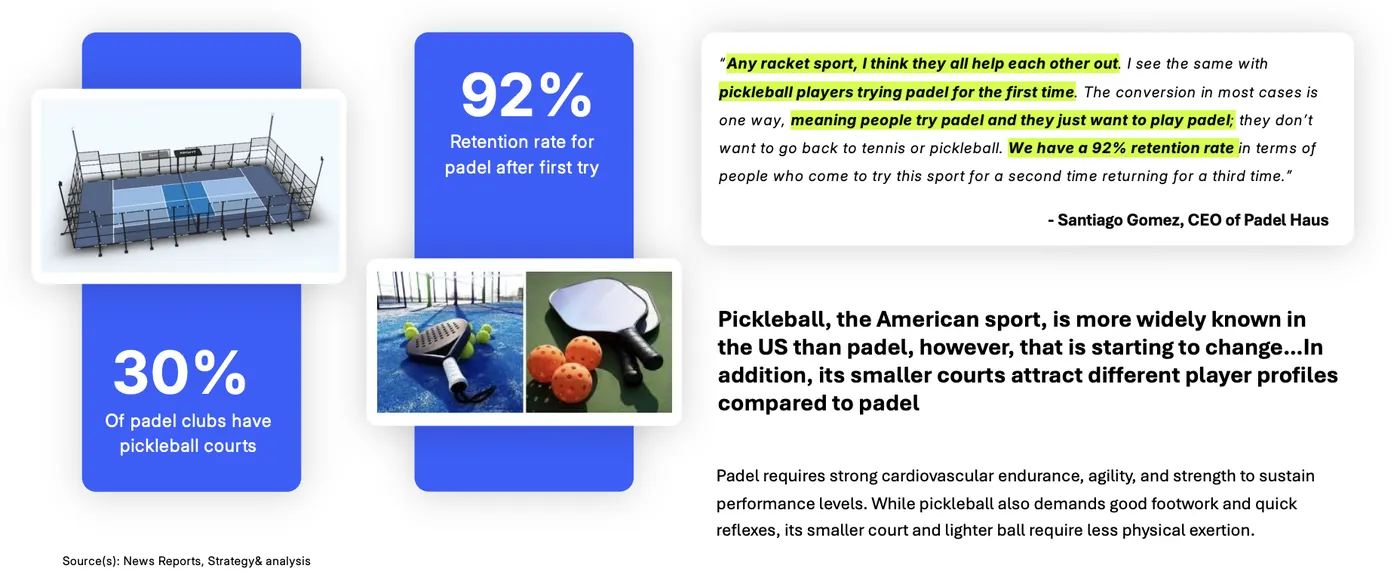
Indonesia is emerging as one of Southeast Asia’s most promising padel markets:
Padel’s first wave in Indonesia began in tourist areas like Bali, where international visitors brought the sport with them. Since then, interest has exploded in urban centers like Jakarta, Surabaya, and Bandung. High demand has led to waitlists at many courts, particularly during evenings and weekends.
PBPI is actively developing a nationwide ecosystem, including certification for coaches and referees, school and university programs, and formal integration into Indonesia’s national sports development strategy. Media coverage and influencer-driven events have further boosted the sport’s appeal among the youth.
Major Milestone: Brimo SIP Padel League 2025
Playtomic Global Padel Report, Padel United Sports Club, Padel FIP, Pbpi, Kemenpora, World Padel Tour, SIP Sports Club, Brimo League Media Release
Become a client to gain full access to every K2 report.

Why the component accounting for 30–50% of humanoid robot cost is the highest-conviction investment in the next industrial revolution.

Kuaishou Technology is China’s second-largest short video and live streaming platform, with 401 million daily active users and 735.6 million monthly active users as of Q4 2024.

How Jakarta’s resource nationalism is reshaping EV supply chains, LME pricing and the geopolitics of critical minerals, and where capital should be positioned.